Recognize the red flags early
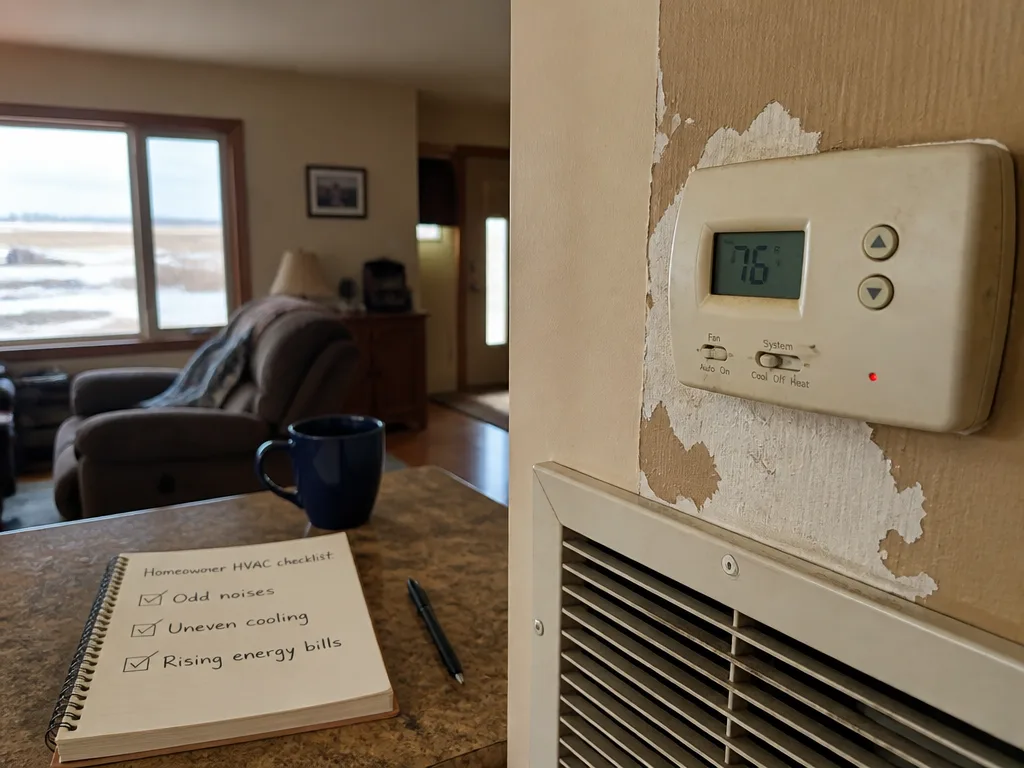
Across South Dakota, a sudden change in comfort often signals a system under stress. If rooms are uneven, one zone feels much warmer or cooler than others, or you notice unusual quiet periods in a previously steady operation, it’s time to take stock. These are common indicators that a visit from our HVAC technicians could prevent a bigger issue later.
Another frequent sign comes from the air itself. Persistent musty smells, more dust blowing through registers, or a noticeable drop in air quality can point to components wearing out or a system struggling to maintain performance. Addressing these concerns early keeps your home comfortable across the state and minimizes the risk of sudden outages.
What to check before calling for service
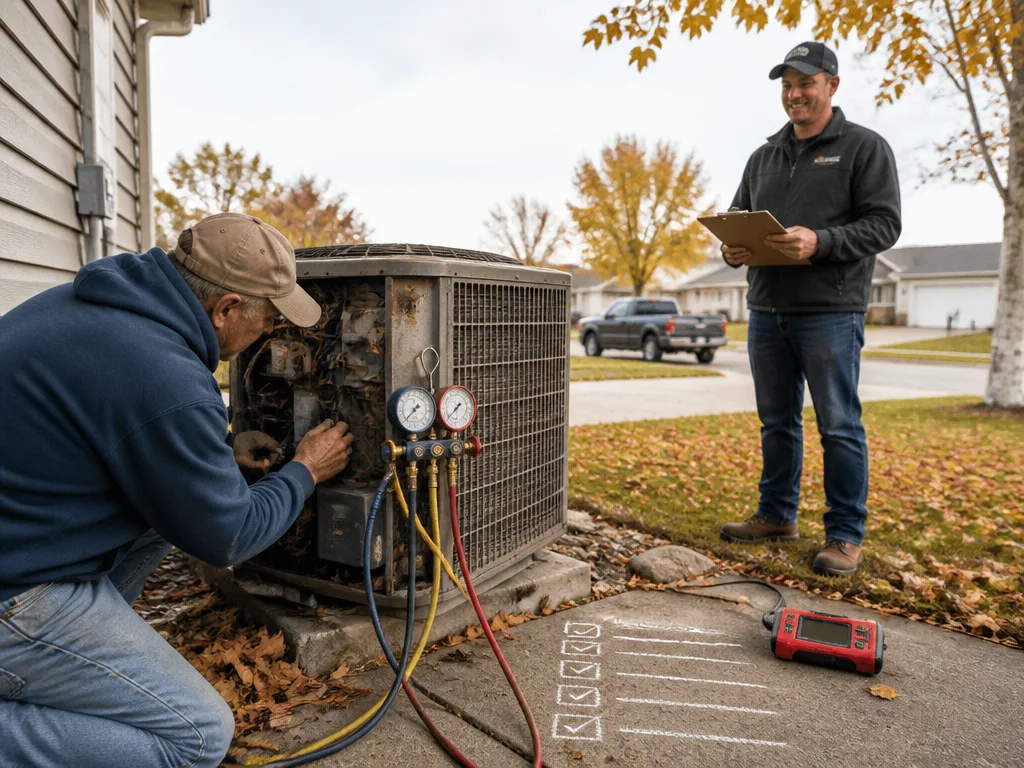
Start with a quick visual inspection. Check for obvious debris around outdoor units, ensure air filters are clean and properly installed, and note any odd noises or rattles you hear when the system starts or runs. These details help our crew diagnose the issue faster and keep you from paying for unnecessary visits.
Record the symptoms: when they started, how often they occur, and whether they’re tied to a specific outdoor temperature. Our team uses this information to prioritize dispatches across South Dakota and tailor a plan that fits your home and climate.
What happens during a typical HVAC inspection
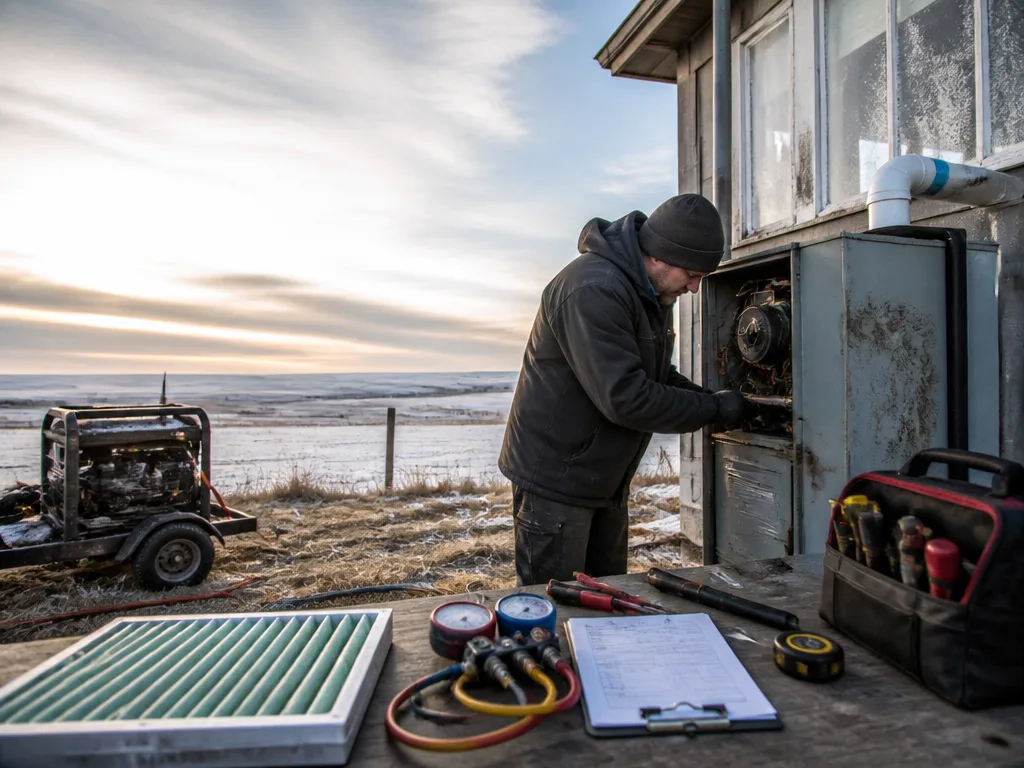
During a visit from our HVAC technicians, a thorough check covers electrical connections, thermostat performance, and system airflow. We test safety controls, inspect for refrigerant leaks if applicable, and verify that the system is charging correctly. The goal is to confirm what’s working, identify the failure points, and outline a simple and practical repair plan for homeowners across the state.
After the assessment, you’ll get a clear explanation of what’s needed and why. If a component needs replacement, we discuss the options and offer transparent pricing. No hidden charges, no guesswork, just straightforward guidance from a dependable team across South Dakota.
Practical next steps
- Keep a log of symptoms and dates to share with our crew.
- Replace disposable filters every 1–3 months, depending on usage and air quality.
- Schedule a seasonal checkup in the fall and spring to head off issues before peak demand.